People Behind the Potatoes Series
The People Behind the Potatoes highlights the people, practices, and progress behind one of Maine’s most important industries. Told across the seasons, the series reveals how today’s potato farmers blend tradition, technology, and stewardship to grow food—and a future—for Maine.
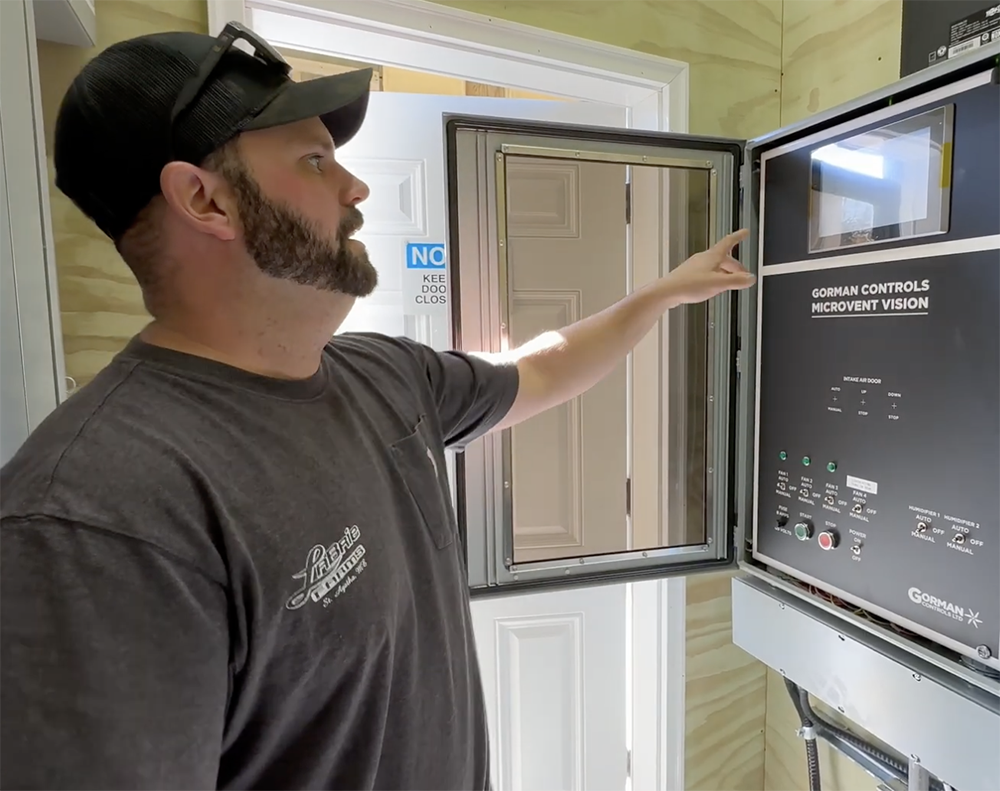
Fall — How Advanced: Farming with Technology
See how Maine potato farmers use GPS, data, and precision tools to make smarter decisions in the field. This video shows how technology helps reduce inputs, protect soil and water, and deliver consistent results—proving modern potato farming is as high-tech as it is hands-on.
Winter — How Big: Maine’s Quiet Giant
Potatoes are a major driver of Maine’s economy. From farms and storage facilities to trucks, processing, and local jobs, this video highlights the statewide impact of the potato industry—and the communities it supports every day.
Spring & Summer — How Green, How Young: Soil First & Next-Gen Farmers
Meet the farmers focused on soil health, sustainability, and the future of Maine agriculture. This combined video explores regenerative practices alongside the next generation of leaders who are bringing new skills, technology, and energy back to the farm.
Close By, Far Better II
From the County to the coast, see how Maine potatoes connect our communities. Episode 2 dives into real-life moments where local pride meets local flavor—filmed in kitchens and community spaces across the state. Featuring familiar faces and authentic Maine scenes, this story shows how something grown up north can bring us all a little closer together.
Meet the People Behind Maine Potatoes
Farm Feature of the Month
Meet the farmers and families behind one of Maine’s most important industries. Through stories from across the state, this series celebrates the dedication, innovation, and traditions that shape Maine potato farming while offering a closer look at the people who grow one of Maine’s most iconic crops. Farm Feature of the Month spotlights a different Maine potato farm each month, sharing its history, operation, and the people behind it. From multi-generational family farms to the next generation of growers, discover the unique stories, hard work, and commitment that keep Maine’s potato industry thriving.
Grass Family Farms
Grass Family Farms is a family-owned and operated potato farm located in Mars Hill, Maine. Before establishing the farm in 1965, Duane Grass purchased a potato house from Fort Fairfield Potato Company, laying the foundation for what would become a multi-generational family operation.
Throughout the late 20th century, the Grass family packed potatoes. They eventually transitioned to selling their potatoes to different processors. During the 1990s, they grew peas for McCains.
Today, Kevin, Mitchell, and Zach Grass proudly continue the family’s farming traditions. Each year, they grow approximately 300 acres of potatoes, including Russet Burbanks, Caribou Russets, Satinas, Superiors, and Red LaSodas. They sell to processors, including McCains and Pineland Farms.
The best parts about potato farming, according to Kevin, Mitchell, and Zach Grass, are that there is something different to do all of the time, the challenges can be fun, and that you are your own boss. According to the Grass family, some of the hardest parts about potato farming are when days don’t go as planned and having the fear of the unknown.
The oldest piece of equipment still used on the farm is a Farmall Super M.
When asked about their favorite memory on their farm, Mitchell Grass said it was learning how their farm runs with his grandfather, Duane. Kevin Grass said that getting to work with his family and creating memories. Zach Grass said another one of his favorite memories is driving the Super M.
The goals for the future of Grass Family Farms are to remain farming long into the future, find something to do on the farm so they don’t have to have other jobs during the winter, and find better crop rotation.
Lastly, the Grass family believes that the more good connections you can make in the agriculture community, the better, and also that having a good reputation in the agriculture community is beneficial.