2026 Wage and Compliance Training
by Hannah Shaw, Intern
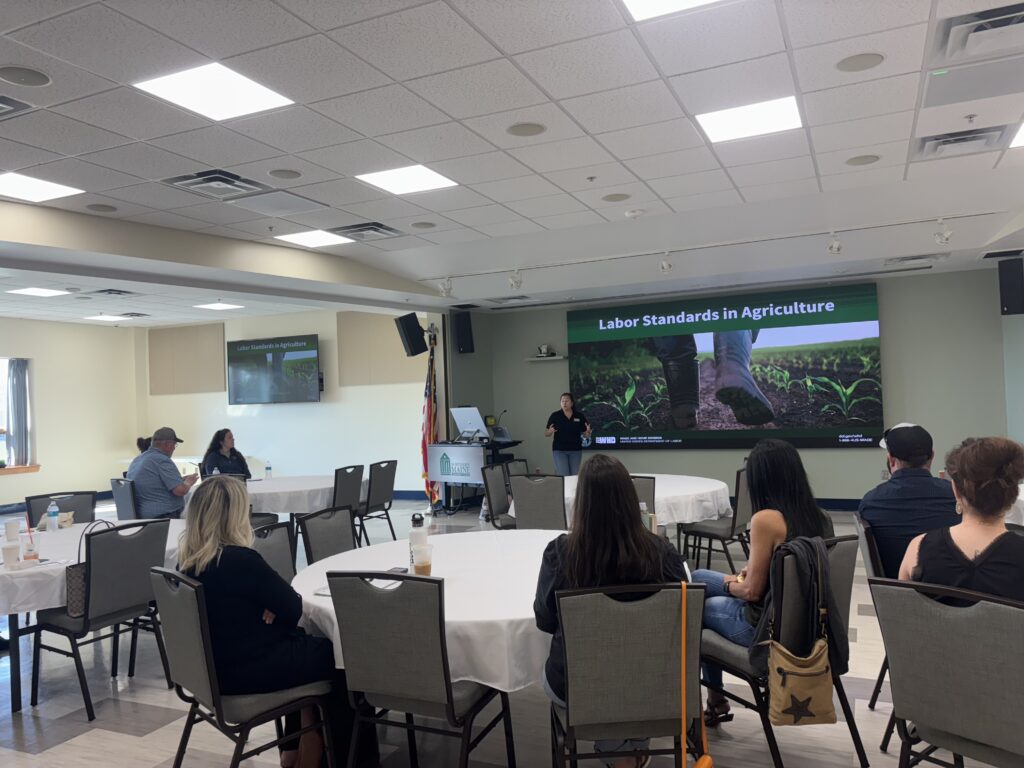
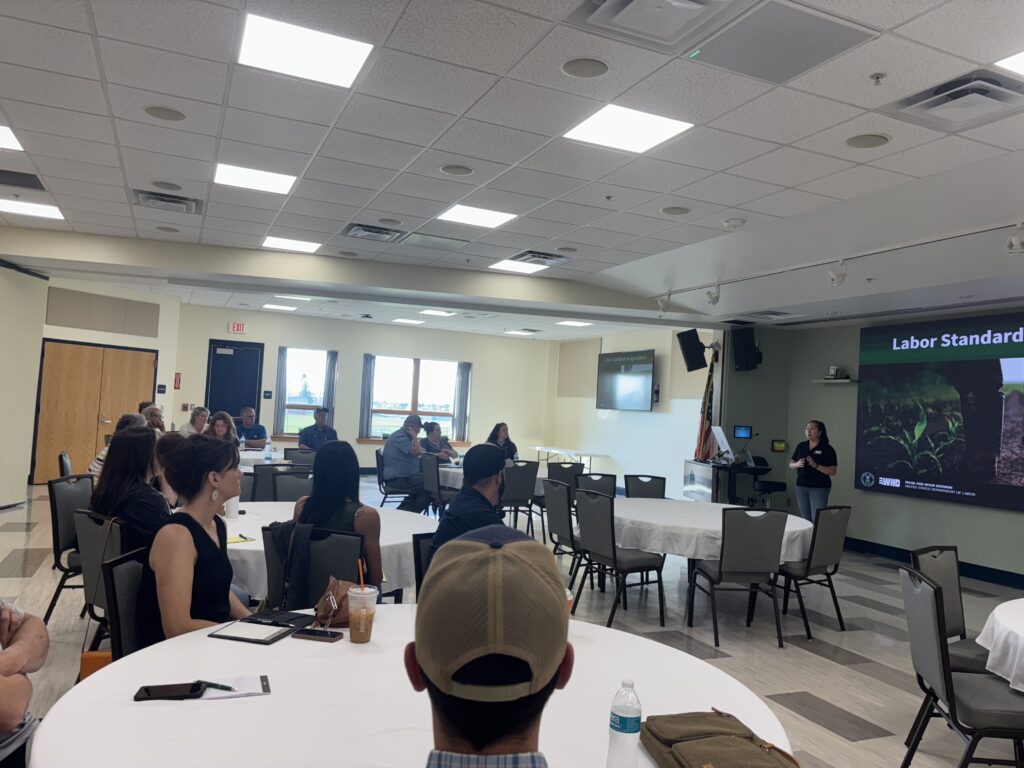
On Wednesday, July 1, 2026, Maine potato growers met at Northern Maine Community College for the Wage and Compliance Training. Ana Maria Allaire, United States Department of Labor Community Outreach and Resource Planning Specialist, presented on Labor Standards in Agriculture.
Allaire began by reviewing the Fair Labor Standards Act (FLSA), which establishes federal standards for minimum wage, overtime pay, record keeping, and child labor. She discussed which agricultural employees are covered under the law, employer responsibilities, and common compliance requirements for agricultural operations.
Next, Allaire covered youth employment regulations. She reviewed the federal rules governing the employment of minors in agriculture, including age requirements, hazardous occupations, and the restrictions that apply to young workers to help ensure their safety on the job.
The next topic discussed was the Migrant and Seasonal Agricultural Worker Protection Act (MSPA). Allaire explained the law’s purpose of protecting migrant and seasonal agricultural workers through requirements related to wages, housing, transportation, disclosures, and recordkeeping. She also reviewed employer responsibilities and compliance obligations under the Act.
Allaire then discussed Field Sanitation Standards, outlining the requirements for providing workers with clean drinking water, handwashing facilities, and toilets in the field. She emphasized the importance of maintaining sanitary working conditions to protect worker health and comply with federal regulations.
The final topic during the Wage and Hour portion of the day was the H-2A provisions of the Immigration and Nationality Act. During this session, Allaire reviewed wage, housing, transportation, and meal requirements for H-2A workers. She explained that every H-2A application must include a job order detailing the working conditions, wages and benefits offered to workers, and stressed the importance of ensuring that all program requirements are met.
During the afternoon session, Lily Kenny, Maine Department of Agriculture, Conservation, & Forestry Infrastructure Investment Fund (AFFPIF) Coordinator, and Jane Kirsling, Maine Department of Agriculture, Conservation, & Forestry Contact and Grant Manager, presented an overview of the Maine Natural Resources Disaster Relief Assistance (NRDRA) Program. The program provides financial assistance to Maine agricultural producers and forestry businesses that experienced losses due to severe weather in 2023 and 2024. Funded through a federal block grant, the program was developed to support producers who may not be eligible for traditional federal disaster assistance.
Presenters reviewed the program’s four eligible loss categories: crop, timber, aquaculture, and infrastructure. Then they explained that crop insurance or participation in the Noninsured Crop Disaster Assistance Program (NAP) is not required to qualify. They also discussed eligibility requirements, the application process, and the documentation producers should gather to support their claims once applications become available.